Kamla Bai wakes up early in the morning, completes her daily
household chores and walks to school each day with the same zeal and enthusiasm
she had years ago. Nearing her retirement age, Kamla Bai, is a Mid-Day Meal
cook in a remote village of Sehore named Raipura. She has been serving food to
children from Anganwadi and primary schools for more than two decades.
I am doing a job that earns me triumphs. Cooking for so many
children and making them healthy is a very wonderful task and I love doing it,
she says. But now, cooking even healthier meal for them makes it even more exciting, she adds.
Kamla Bai, attended the meetings organized under the Good Farming-
Good Food-Good Health initiative a few months ago. During the meetings she was
introduced to a new form of superfood Soy. The nutrition team after getting
training from Agri- Nutrition Resource Centre and an exposure of various Soy
food dishes that are easy to prepare and should be incorporated in the routine
consumption, especially for women and children, suggested consuming soy food in
some form.
We have soy produce in the farms but never thought of consuming
it. When I heard about how Soy
benefits our health from the nutrition team of Good Farming-Good Food- Good
Health, especially those of the children, I decided to include soy products in
the mid-day meals as well, she said.
Kamla Bai and her team, prepares food for nearly 450 students, off
which 150 are Anganwadi students while remaining are school going children. Our
team prepares vegetable made of Soya chunks every once a week and adds Srijan
tree leaves (Drumstick tree leaves) in lentils during every preparation.
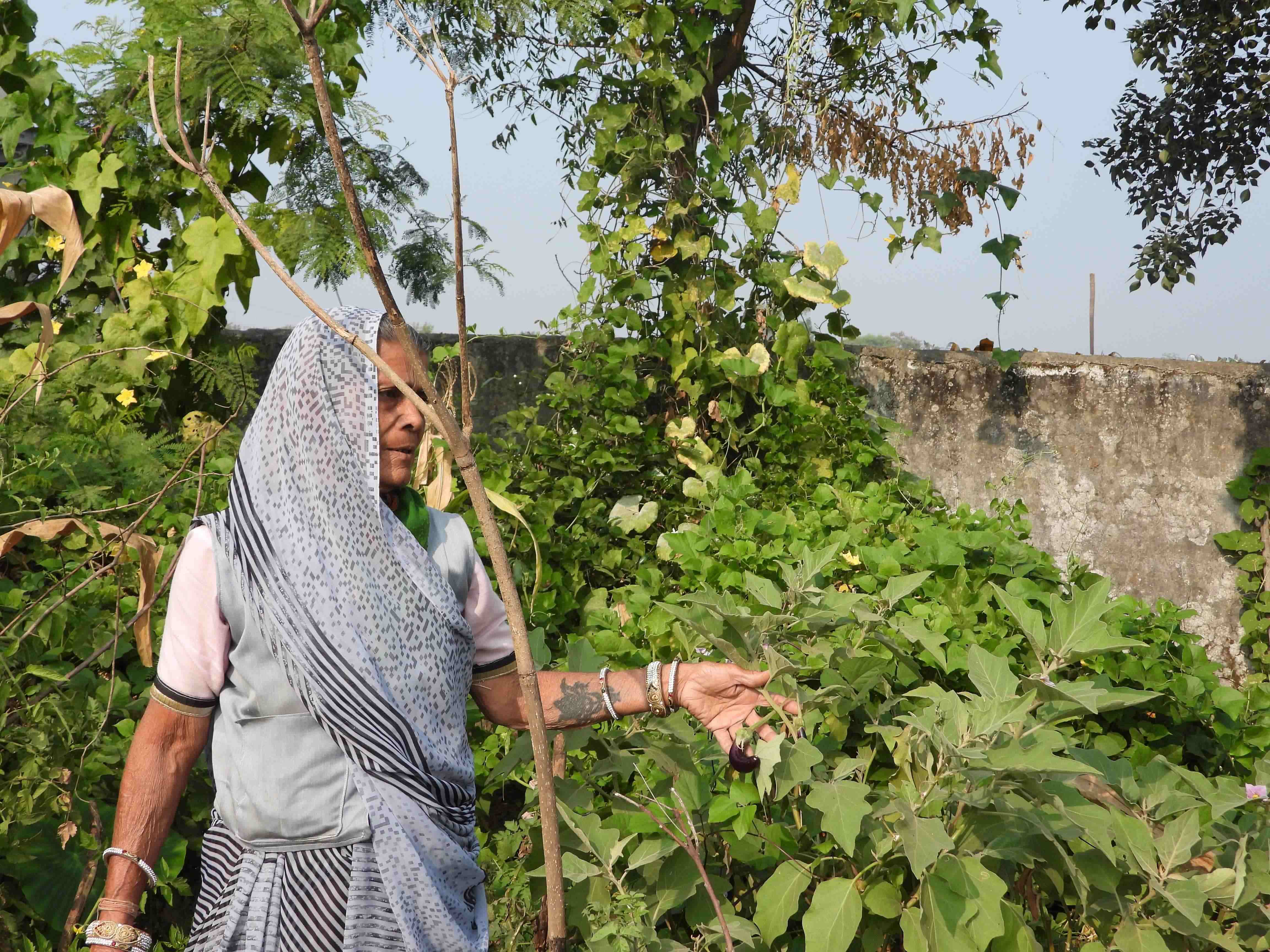
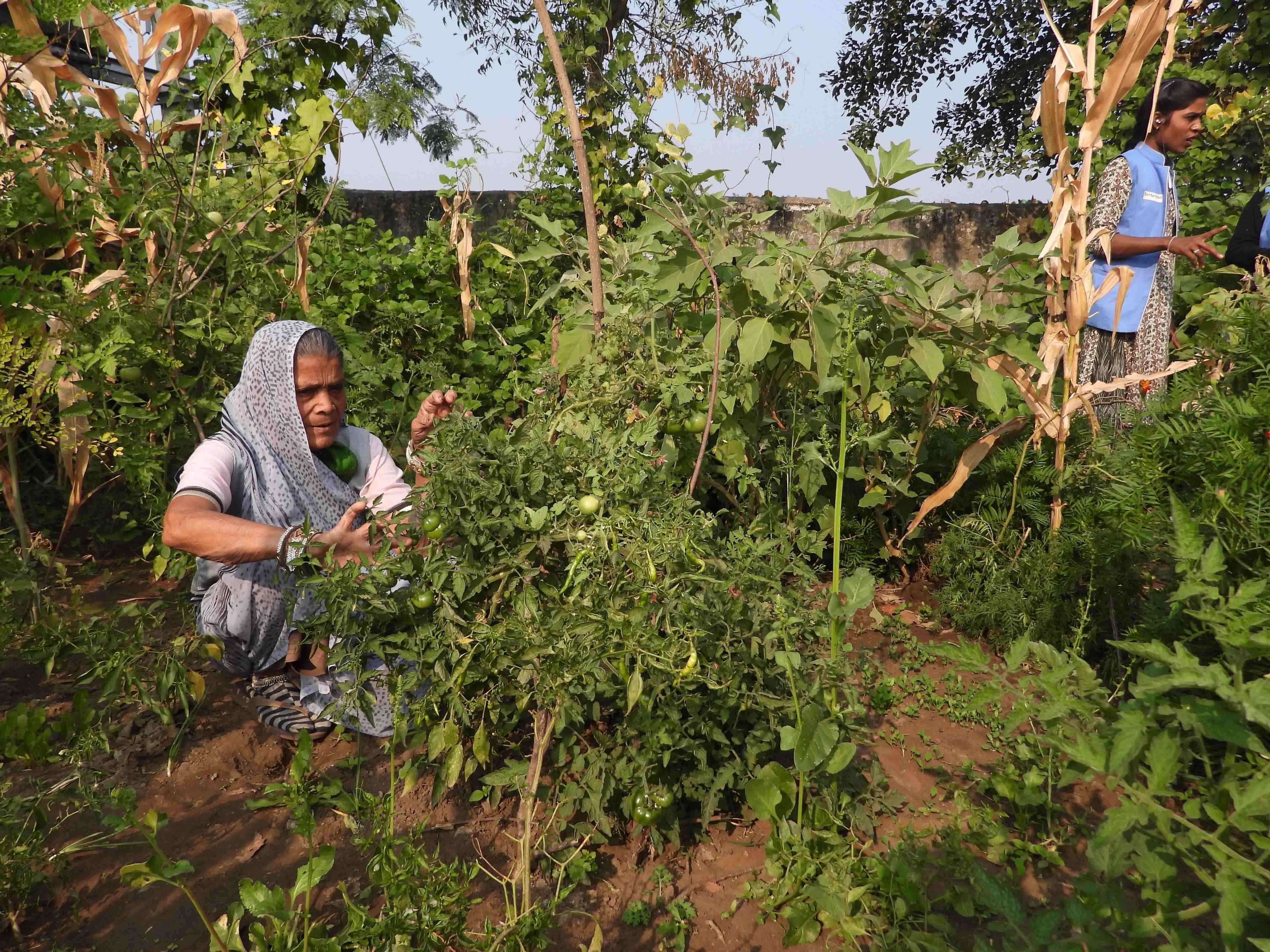
The Nutrition team of Solidaridad has also planted a Nutrition Garden that supports planting of seasonal fruits and vegetables in a complete organic
manner. Presently, we have Tomatoes, Brinjal, Okra, Chilies, Bottle Guard and Papaya
in the nutrition garden. We also have some coriander. These are used for
preparation of the mid-day meals, Kamla Bai adds.
After we started incorporating soy in the mid-day meals twice a
week, we have seen changes in the development of the children, especially those
from the Anganwadi. Children are more active, they fall less sick, Kamla Bai
said with a satisfactory smile on her face.